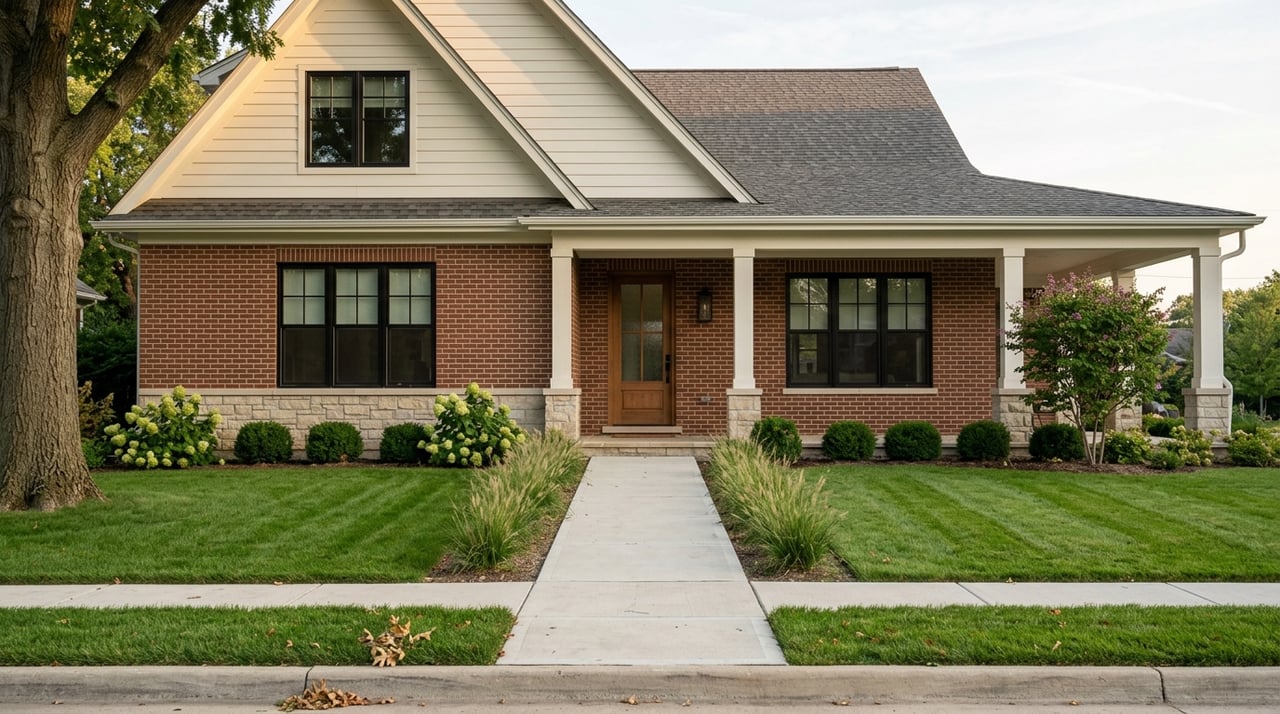
Wondering what day-to-day life in Olathe actually feels like, beyond a map pin or a home search? If you are considering a move, it helps to understand how a city functions in real life, from commute patterns and park access to weekend routines and the overall feel of different parts of town. Olathe offers a mix of established neighborhoods, everyday convenience, outdoor amenities, and community events that shape how people live here. Let’s dive in.
Olathe at a glance
Olathe is a large, established suburban city with 149,035 residents as of the latest Census estimate. That population has grown 5.5% since 2020, which helps explain why many buyers see Olathe as both established and still evolving. According to the U.S. Census QuickFacts for Olathe, the city also has a mean travel time to work of 20.6 minutes, an owner-occupied housing rate of 74.8%, and a median household income of $114,009.
For you as a buyer or relocator, that often translates into a city with meaningful scale but still a practical daily rhythm. Olathe does not read like one single uniform neighborhood pattern. It feels more like a collection of distinct pockets connected by parks, major roads, shopping areas, and civic spaces.
Outdoor life is part of the routine
If you want outdoor access to be part of your normal week, Olathe gives you a strong foundation. The city maintains 26.5 miles of bike lanes, 26.4 miles of multi-use trails, 13.5 miles of trails within parks, and another 2.5 miles in development, according to the city’s parks, trails, and bike lanes overview. Neighborhood parks are also intended to serve nearby residents within roughly a two-mile radius.
That matters because daily life is often built around convenience. Instead of needing to plan a special outing, many residents have access to walking paths, playgrounds, open space, or casual recreation close to home. In a suburban market, that kind of built-in accessibility can shape how connected and active your week feels.
Lake Olathe adds a destination feel
One of the most distinctive features of living in Olathe is Lake Olathe Park. On the west side of the city, it includes a 170-acre lake and 258 acres of community park space, along with a swim beach, marina, spray ground, playgrounds, disc golf, shared-use trails, and event areas.
For everyday life, that gives west Olathe a recreation-oriented feel. You can picture regular walks, time at the playground, summer outings, or meeting friends outdoors without leaving the city. If your home search includes lifestyle priorities like trail access, water views, or weekend recreation, this part of Olathe may stand out.
Neighborhood parks support daily routines
Not every outdoor amenity in Olathe is a large destination park. Stagecoach Park, for example, offers a walking loop, fishing pond, playground, and amphitheater patio.
That smaller-scale setup says a lot about everyday life here. In many parts of Olathe, outdoor time can be simple and local, like an evening walk, a quick stop at the playground, or an easy weekend outing close to home. The city also emphasizes adaptive recreation and inclusive programming, with a broader focus on helping residents stay active, connected, and engaged.
Downtown Olathe brings civic energy
Downtown Olathe adds a different layer to the city’s personality. The city describes it as a growing and diverse center for government, professional services, small businesses, restaurants, historic neighborhoods, and cultural opportunities. It also offers free downtown parking in a garage and surface lots, which makes casual visits more convenient.
For you, that can mean a downtown that is practical rather than purely decorative. It is a place where people go for events, services, dining, and local businesses, not just a place to drive through. That kind of civic core can give a suburban city more texture and a stronger sense of place.
Events create a steady community rhythm
A lot of Olathe’s recurring public life shows up downtown and in city event spaces. The city highlights events such as Fourth Fridays, Garmin Marathon activities, Johnson County Old Settlers, Sip & Shop, the Arts Festival, the Qlathe BBQ Championship, and the Olathe Farmers Market.
There is also Olathe Live!, which has grown from a summer concert series into a year-round music program with performances at Stagecoach Park, downtown lunchtime shows, and events at other city venues. If you value a calendar with easy, local things to do, Olathe offers more recurring activity than many buyers expect.
Dining is broader than many expect
Some buyers are surprised to learn how broad Olathe’s dining options are. The Olathe Chamber restaurant guide points to a mix of local and national options across Asian, Greek, Mexican, Italian, barbecue, seafood, pizza, cafés, bars, and breweries.
That variety supports the everyday side of living here. You are not limited to one dining district or one type of outing. Whether you want a quick casual meal, a coffee stop, or a more walkable downtown visit with shops and restaurants nearby, Olathe offers a wider mix than first-time browsers often assume.
Housing feels varied, not one-note
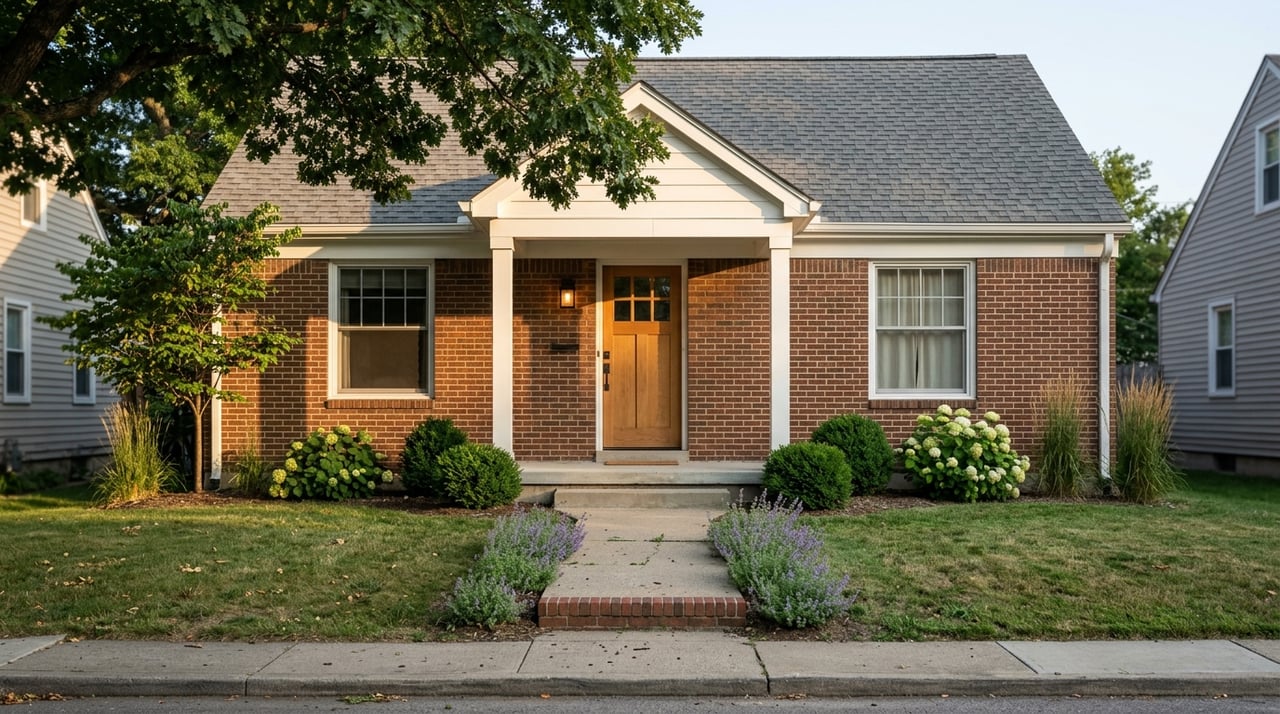
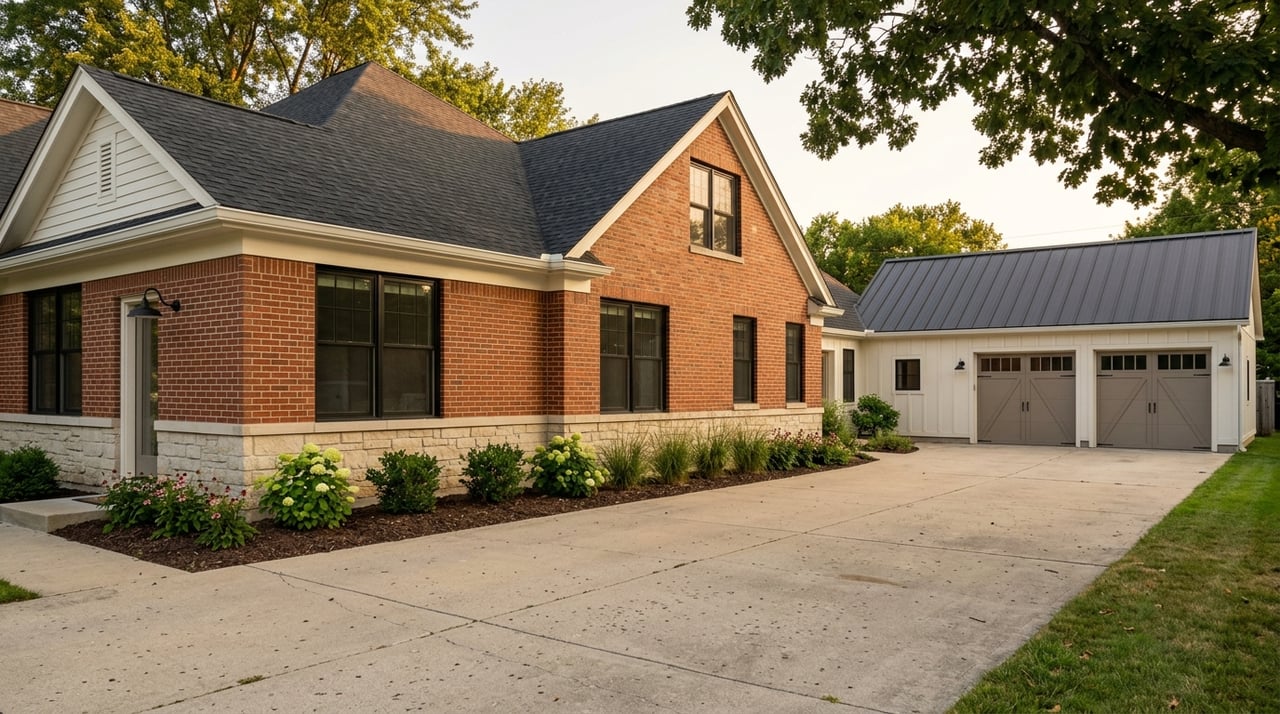
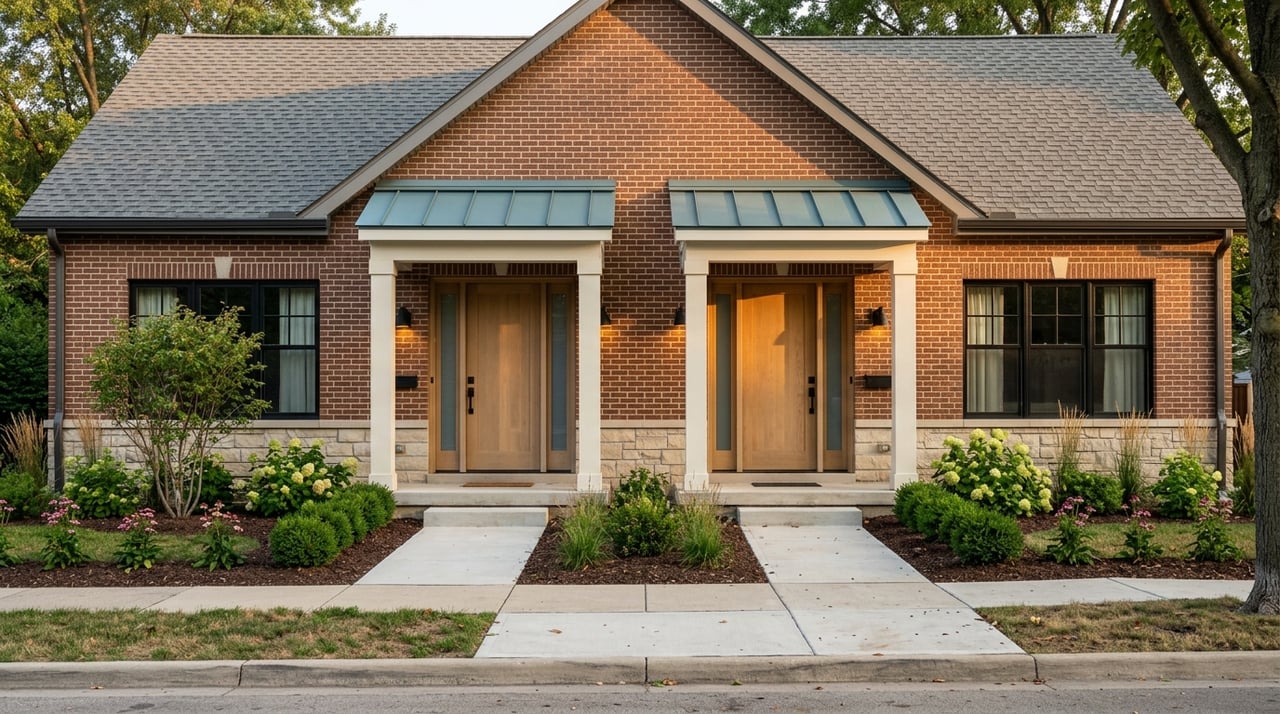
From a real estate perspective, one of the most important things to understand about Olathe is that it offers different housing pockets rather than one single citywide feel. According to the city’s planning framework, Olathe’s long-range approach includes preserving the character of existing neighborhoods while guiding growth and supporting a mix of housing types such as single-family homes, duplexes, townhouses, condominiums, and apartments.
That variety matters if you are trying to match lifestyle goals with the right area. Some buyers want an established setting with historic character. Others prioritize newer patterns, roadway access, or proximity to parks and retail.
Downtown has historic character
Downtown Olathe is the city’s historic core. It includes historic neighborhoods, a more human-scaled street grid, and city programs aimed at reinvestment and preservation in the Original Town area, according to the city’s downtown overview.
If you are drawn to older homes or areas with a more traditional layout, downtown-adjacent areas may appeal to you. From a home search standpoint, these areas can require a careful eye for condition, updates, and long-term value, especially if you are comparing older homes with more recently built options elsewhere in the city.
West Olathe feels recreation-oriented
West Olathe often feels more connected to outdoor recreation because Lake Olathe and several community parks anchor that side of town. That does not mean every neighborhood feels the same, but it does help explain why many buyers associate west Olathe with open space and outdoor amenities.
If your ideal routine includes trails, park access, or destination recreation close to home, this part of the city may line up with your priorities. It is a good example of how lifestyle and location can overlap in a practical way.
K-7 areas emphasize access and growth
Areas near the K-7 corridor are shaped more by roadway access, retail patterns, and long-range transportation planning. The city and state are also looking ahead through corridor planning, which helps frame how this part of Olathe may continue to evolve over time.
For buyers who care about convenience and regional access, that can be a meaningful factor. It also reinforces the broader point that Olathe is best understood as a city with multiple subareas, each offering a slightly different daily experience.
Commute patterns are practical
Commute convenience is another reason Olathe remains attractive to many buyers. Census data puts the city’s mean travel time to work at 20.6 minutes, and Visit KC notes that Olathe is just under 30 minutes from downtown Kansas City by car via I-35.
That positioning can work well if you want suburban living without feeling disconnected from larger job centers and regional amenities. Daily life often feels easier when errands, local services, and commuter routes all function reasonably well together.
Transit options exist for some commuters
For those who use transit, city transportation planning says Olathe is served by commuter-oriented RideKC and Johnson County Transit routes connecting to major employment centers along major arterials. Current RideKC express service information shows weekday peak service from the KS-7 and Santa Fe area into downtown Kansas City.
That will not fit every schedule, but it does provide another option for some commuters. As you compare locations within Olathe, commute style can be just as important as commute distance.
What this means for your home search
If you are considering Olathe, the biggest takeaway is this: everyday life here is shaped by balance. You get the scale and convenience of a major suburban city, but also parks, trails, community events, local dining, and distinct housing pockets that can make one area feel very different from another.
That is why it helps to look beyond bedroom counts and online photos. A smart move in Olathe often comes down to matching the right pocket of the city to your actual routine, whether that means commute convenience, outdoor access, historic character, or long-term resale potential.
If you want help evaluating Olathe through both a lifestyle and value lens, Angela Zysk can help you compare neighborhoods, spot property potential, and make a confident plan for your next move.
FAQs
What is everyday outdoor life like in Olathe, Kansas?
- Olathe has an extensive parks system with bike lanes, multi-use trails, neighborhood parks, and major amenities like Lake Olathe Park, making outdoor time easy to work into a normal week.
What is downtown Olathe like for daily life?
- Downtown Olathe serves as a civic and small-business hub with restaurants, local events, historic areas, and free parking, so it plays an active role in day-to-day life rather than functioning only as a landmark district.
What kinds of housing can you find in Olathe, Kansas?
- Olathe includes a mix of housing types, including single-family homes, duplexes, townhouses, condominiums, and apartments, with different parts of the city offering different neighborhood patterns and lifestyles.
What is the commute like from Olathe, Kansas?
- The latest Census data shows a mean travel time to work of 20.6 minutes, and Olathe also offers regional access by car and some weekday express transit service into downtown Kansas City.
Is Olathe, Kansas a good fit for buyers who want parks and recreation?
- Olathe may appeal to buyers who value recreation because the city offers trails, neighborhood parks, inclusive recreation programming, and destination amenities like Lake Olathe Park.