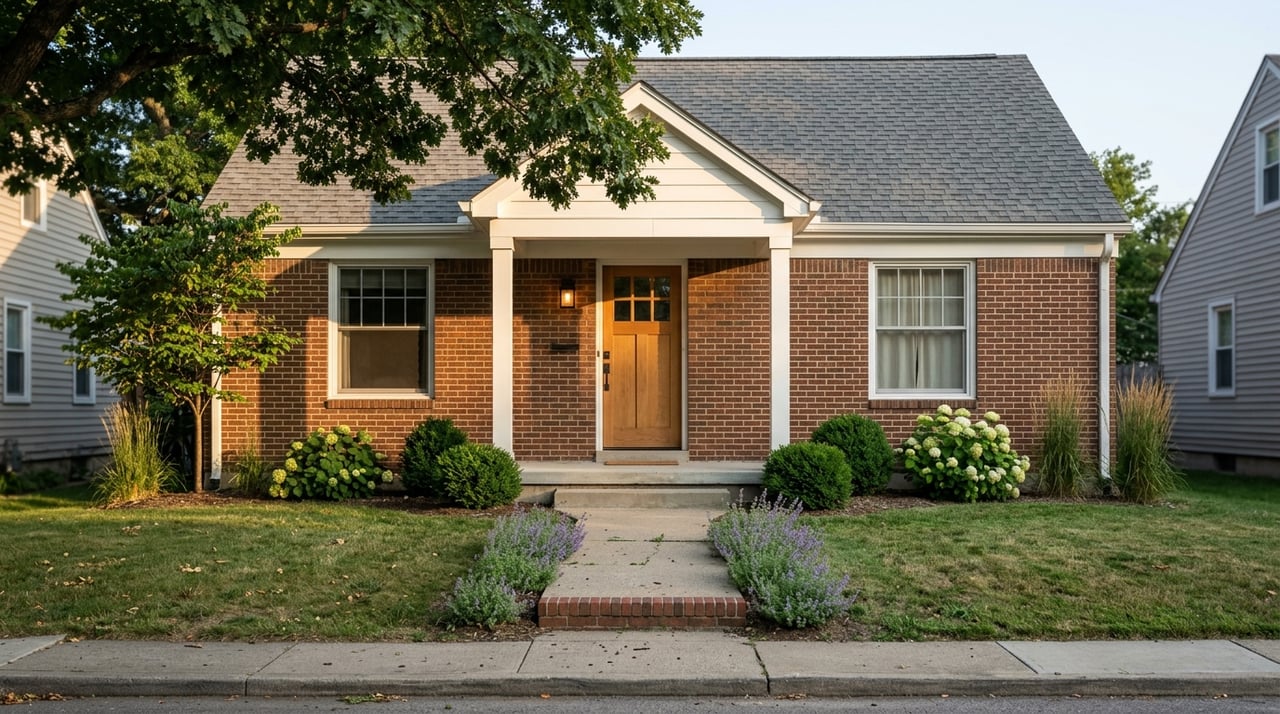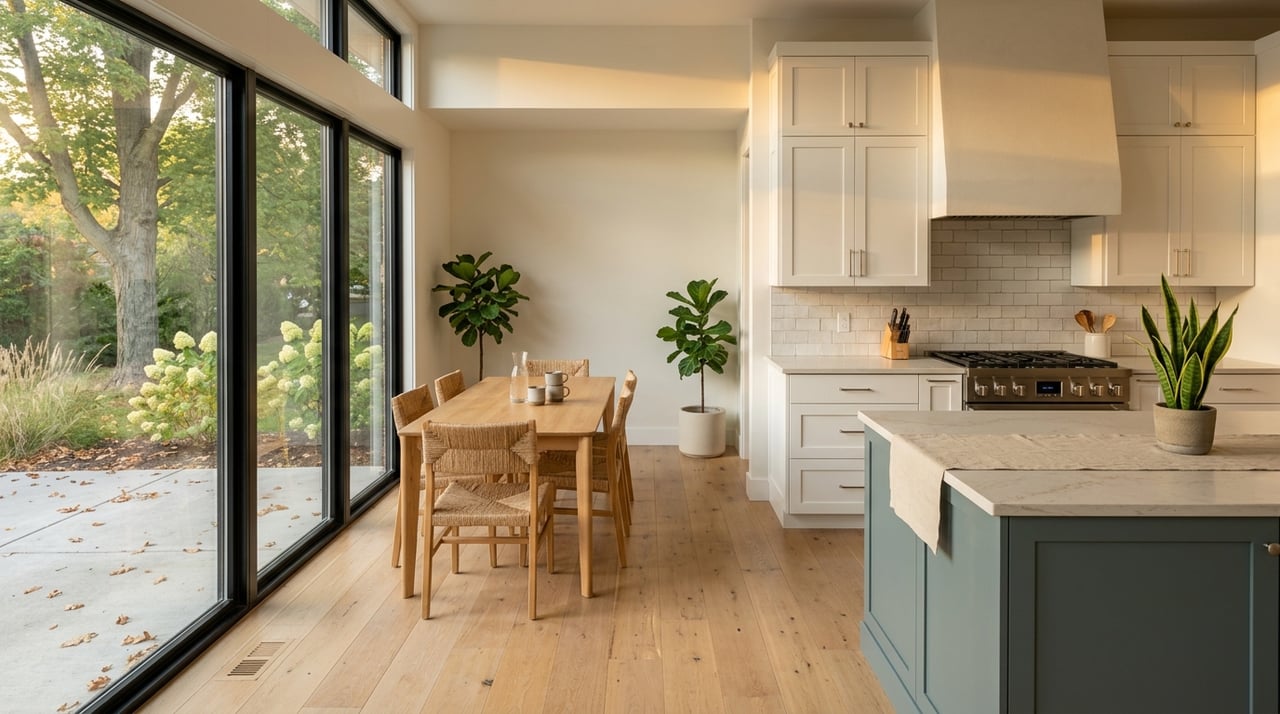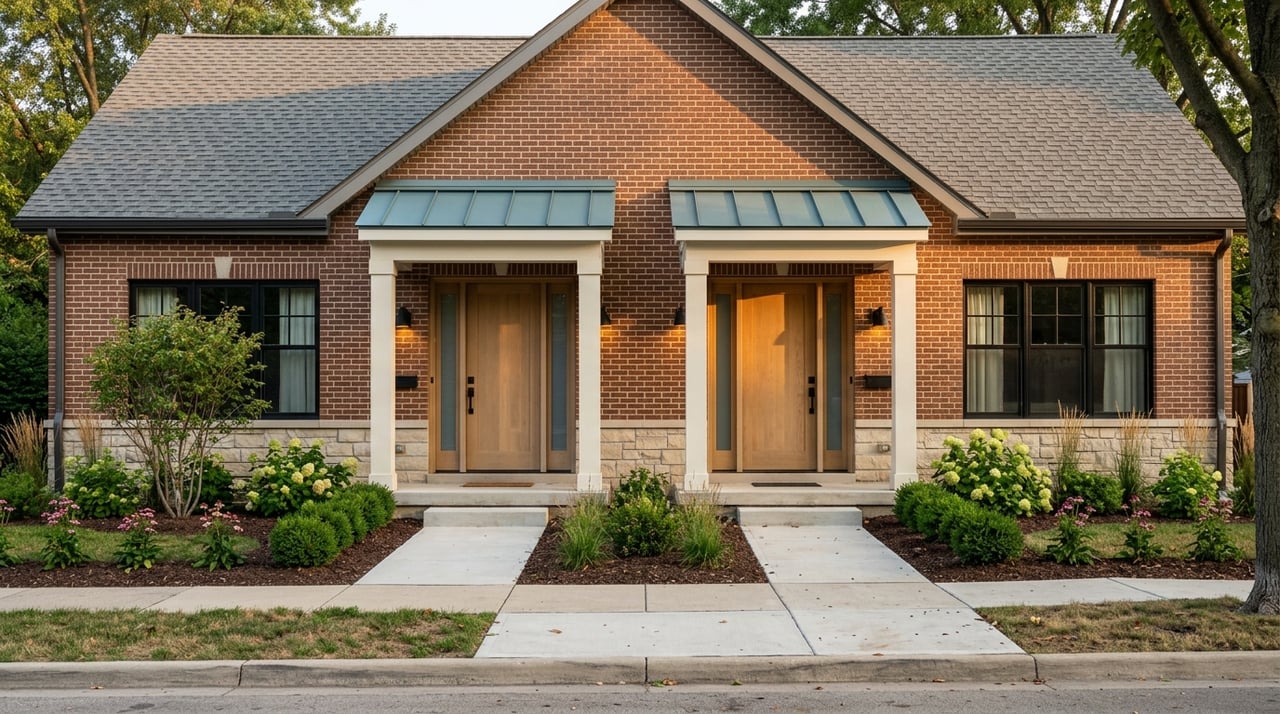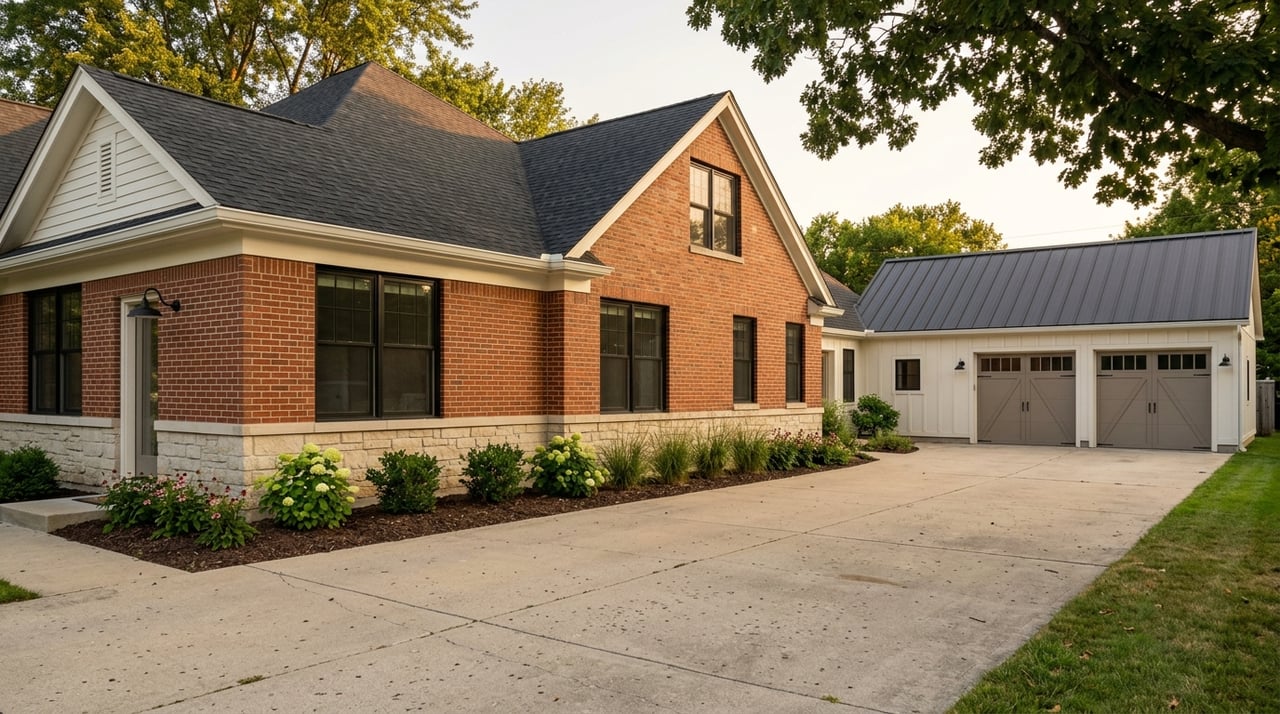
If you have been watching De Soto from the sidelines, now is a good time to look closer. This is no longer a small market that feels disconnected from the rest of Johnson County. With major job growth, road improvements, and new city planning already underway, De Soto is becoming a place where buyers and investors may need to move with more strategy and less hesitation. Let’s dive in.
Why De Soto is getting attention
De Soto’s growth story starts with jobs. Panasonic Energy began mass production at its De Soto battery factory on July 14, 2025, at a site that covers about 300 acres. Panasonic and the Kansas Department of Commerce have described it as the largest economic development project in Kansas history, with the potential for up to 4,000 direct jobs and about 8,000 total jobs when supplier and related roles are included.
That kind of employment growth can ripple through a housing market in a big way. At the time of the plant opening, Kansas Commerce said Panasonic had already hired about 1,000 staff and cited a $4 billion investment. For homebuyers and long-term investors, that signals real demand drivers already in motion, not just future speculation.
Infrastructure is expanding too
Growth in De Soto is not only about one employer. The city and state have also been investing in the roads and planning needed to support a larger population and more housing activity.
KDOT completed local road improvements in 2024 around 103rd Street and Astra Parkway. Those upgrades covered just over four miles and included a divided four-lane roadway, sidewalks, bike lanes, and lighting.
There is also a broader K-10 Corridor Capacity Improvements Project that affects De Soto, Lenexa, and Olathe. In June 2025, KDOT received federal approval for the project plan, including a new K-10 and Lone Elm Road interchange, although construction funding has not yet been secured. That matters because access improvements can shape commute patterns, future development, and how buyers weigh location.
City planning points to more housing
De Soto is also planning for additional growth on the local level. The city’s Southwest Growth Area plan covers more than 1,500 acres in southwest De Soto near Panasonic, Astra Enterprise Park, and Flint Commerce Center.
According to the city, this plan is meant to increase housing variety, infrastructure capacity, and mixed-use development. It was adopted in May 2025, the city’s 2026 through 2031 Capital Improvement Plan has been approved, and a broader comprehensive plan overhaul is set to begin in 2026. For buyers and investors, that suggests De Soto is actively preparing for change rather than reacting to it after the fact.
What the housing market looks like now
De Soto is still a small market, which means monthly numbers can swing quickly. That said, the direction is fairly clear: supply is tight, competition is real, and pricing has been moving up.
Census data estimated De Soto’s population at 6,579 in July 2024, up 7.5% from 2020. The same data shows a 73.0% owner-occupied housing rate, a median owner-occupied home value of $370,700, a median household income of $105,500, and a median mortgage cost of $2,839.
Recent listing and sales data also points to a competitive market. Redfin reported a March 2026 median sale price of $387,500, up 38.9% year over year, with homes spending a median of 32 days on market and only 6 homes sold. Realtor.com’s 66018 market page showed 32 homes for sale, a median list price of $575,000, a 104% sale-to-list ratio, and 21 median days on market.
Because De Soto is small and these sources use different methods and time frames, it is smart to read the exact figures directionally rather than as one perfect snapshot. The bigger takeaway is simpler: inventory is limited, and well-positioned homes can move quickly.
What this means for homebuyers
If you want to buy in De Soto, the market may reward preparation more than patience. The current data does not point to broad oversupply, and the city’s growth pipeline supports the idea that demand will likely remain meaningful.
That does not mean every property is worth stretching for. It means you should enter the market with clear financing, realistic expectations, and a firm sense of your non-negotiables.
Be ready before you tour
In a market with tight inventory, speed matters. If the right home hits the market, you may not have much time to think through loan options, monthly payment comfort, or repair tolerance.
Before you start touring, it helps to have:
- Financing lined up
- A clear monthly payment target
- A list of must-haves versus nice-to-haves
- A plan for how much work you are willing to take on
- A strategy for acting quickly if the right home appears
This is where a practical, property-level approach matters. In a fast-moving market, you want to look beyond finishes and ask whether the layout, condition, location, and resale flexibility make sense for your long-term goals.
Expect tradeoffs, not bargains
De Soto’s growth is more likely to appeal to buyers who value commute access and long-term resale potential than to buyers hoping to find a major discount. Census data shows a mean travel time to work of 28.7 minutes, which supports the idea that De Soto functions as part of a broader regional labor market.
In plain terms, many buyers are not choosing between De Soto and nowhere. They are comparing De Soto with other communities in the larger Kansas City area and weighing access, price, home size, and future upside.
Should you wait?
A common question is whether growth has already been priced in. The most honest answer is partly, but not uniformly.
The market already looks competitive, but more infrastructure and housing planning is still ahead. Waiting for a major correction would be speculative based on the current data, especially since there is no broad oversupply signal in the numbers available today.
What this means for investors
For investors, the strongest case in De Soto looks more like long-term hold than quick flip appreciation. The local story is driven by employment growth, constrained housing supply, and a city preparing for more residential capacity over time.
That can be attractive, but it still calls for disciplined underwriting. Fast-changing markets can create opportunity, but they can also tempt buyers to overpay or make broad assumptions that do not hold up at the property level.
The long-term demand case
Panasonic’s opening and its total-impact estimate of about 8,000 jobs support a workforce-driven housing demand story. On top of that, Realtor.com showed 17 rental listings in the 66018 ZIP code, and Census data shows De Soto has a 73.0% owner-occupied housing rate.
That mix can support tighter rental conditions for well-located and well-maintained properties. For landlords and portfolio-minded buyers, De Soto may offer a clearer long-term occupancy thesis than a short-term appreciation thesis.
Underwrite conservatively
At the same time, it is wise to stay grounded. The city’s Southwest Growth Area is designed to add housing variety, and future infrastructure improvements may improve access over time, even though some major K-10 work is not yet fully funded for construction.
That means today’s supply constraints may not look exactly the same several years from now. More housing and better access could support demand while also moderating the pace of appreciation.
Use local numbers, not broad averages
ACS data shows a median gross rent of $1,097 for 2019 through 2023, but that figure works best as a historical baseline. Current sale prices, current listings, and the city’s growth trajectory suggest the market has been shifting.
If you are evaluating a rental or value-add property, broad metro assumptions are not enough. You need realistic rent comps, conservative repair budgets, and a clear view of how the property fits local demand.
Smart ways to evaluate property
In a changing market like De Soto, your best decisions usually come from looking at the home itself, not just the headline market story. Growth can lift demand, but individual outcomes still depend on location, condition, layout, and price point.
For buyers, that means asking practical questions such as:
- How close is the property to key commuter routes?
- Does the floor plan support future resale?
- Are there hidden maintenance issues that could affect your budget?
- Would modest updates improve function or value over time?
- Is the asking price supported by the property’s condition and features?
For investors, the checklist gets even more specific. You want to understand deferred maintenance, realistic rehab scope, and whether your numbers still work if appreciation slows or expenses rise.
De Soto is shifting from maybe to momentum
A few years ago, some buyers may have viewed De Soto as a market to monitor. Today, the combination of a major manufacturing investment, completed road upgrades, active city planning, and tight housing supply makes it a market with real momentum.
That does not mean you should rush into a purchase. It means your decision should be informed, property-specific, and tied to your long-term goals rather than hype.
If you are considering a move or investment in De Soto, having someone who can look at a home through resale, renovation, and cash-flow lenses can make a real difference. If you want help thinking through the numbers, condition, and long-term fit, schedule a free consultation with Angela Zysk.
FAQs
What is driving De Soto, Kansas growth right now?
- De Soto’s current growth is being driven by Panasonic Energy’s battery factory, road improvements around 103rd Street and Astra Parkway, and the city’s Southwest Growth Area plan for added housing variety and infrastructure.
What does De Soto growth mean for homebuyers?
- For homebuyers, De Soto’s growth means tighter inventory, stronger competition, and a greater need to be financially prepared and clear on your priorities before the right home becomes available.
What does De Soto growth mean for real estate investors?
- For investors, De Soto’s growth supports a long-term buy-and-hold outlook tied to job growth and housing demand, but it also calls for conservative underwriting because future housing supply and road projects may shape appreciation over time.
Is De Soto a competitive housing market?
- Yes. Recent market data points to limited inventory, relatively quick days on market, and strong pricing, although exact monthly numbers can vary because De Soto is a small market.
Are more homes planned in De Soto?
- Yes. The city’s Southwest Growth Area plan is intended to expand housing variety and support more growth near major employment and commerce areas.
Should buyers wait for prices to come down in De Soto?
- Current data does not show a broad oversupply signal, so waiting for a major correction would be speculative based on what is known today.