If you are eyeing a rental property in Lenexa, it is easy to get pulled in by a nice listing photo or a quick rent estimate. The harder part is figuring out whether the numbers truly work after taxes, repairs, licensing, and turnover costs. If you want to make a smart investment decision, you need to look past the headline price and underwrite the property the way a long-term owner would. Let’s dive in.
Start With Lenexa Price and Rent Reality
Lenexa is not a market where one citywide number tells the whole story. According to Zillow’s Lenexa home value data, the average home value is $477,848, while Redfin reports a March 2026 median sale price of $488,500.
On the rent side, the spread is wide depending on property type. Apartments.com rent trends for Lenexa show average apartment rent at $1,399, with two-bedroom apartments around $1,675 and three-bedroom apartments around $2,200. Zillow’s broader rental data, which includes houses and other property types, shows an average rent of $2,051, with rents ranging from $850 to $6,250.
That difference matters. If you compare a roughly $488,500 purchase price to a $2,051 average rent, you get a rough gross rent-to-price ratio near 5.0% before expenses. If you use a two-bedroom apartment average of $1,675 instead, that falls closer to 4.1%.
That is a screening tool, not a real return calculation. It simply shows why you need to match the property to the right rent comps instead of relying on a citywide average.
Match the Property Type First
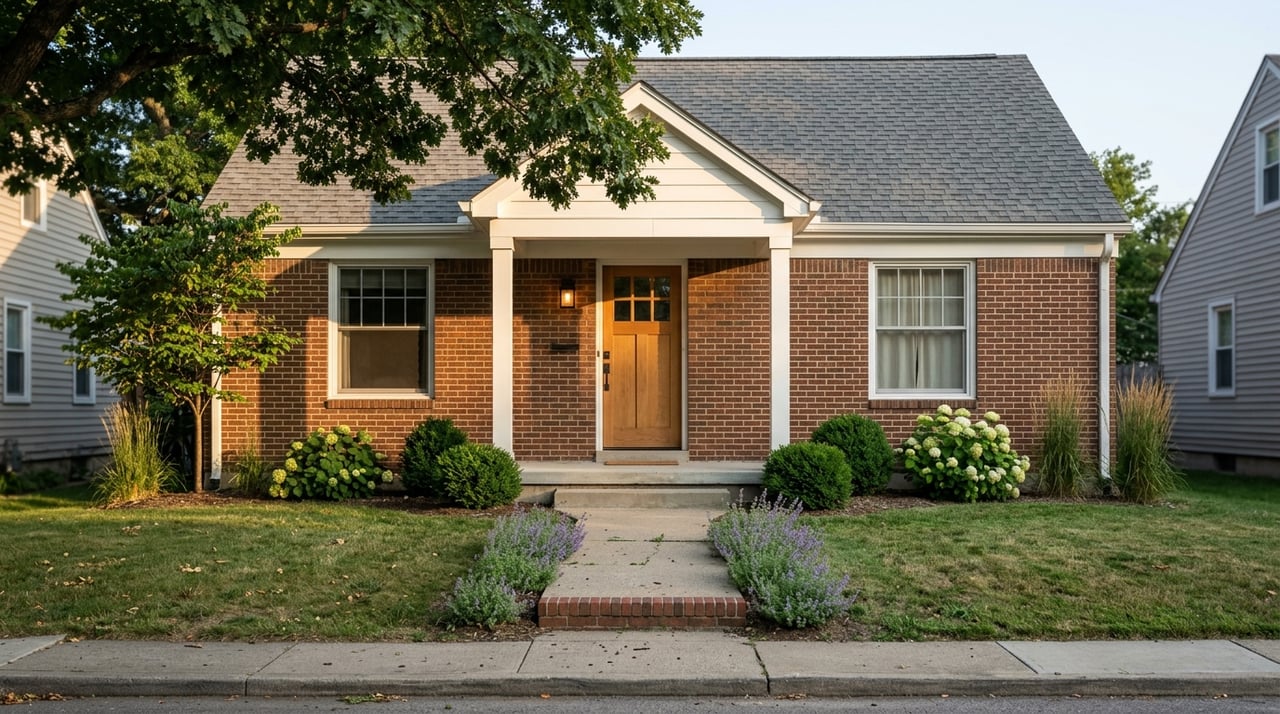
The biggest underwriting mistake in Lenexa is treating every rental the same. A detached house, half-duplex, condo, and small multifamily property can have very different price points, rent ranges, and ongoing costs.
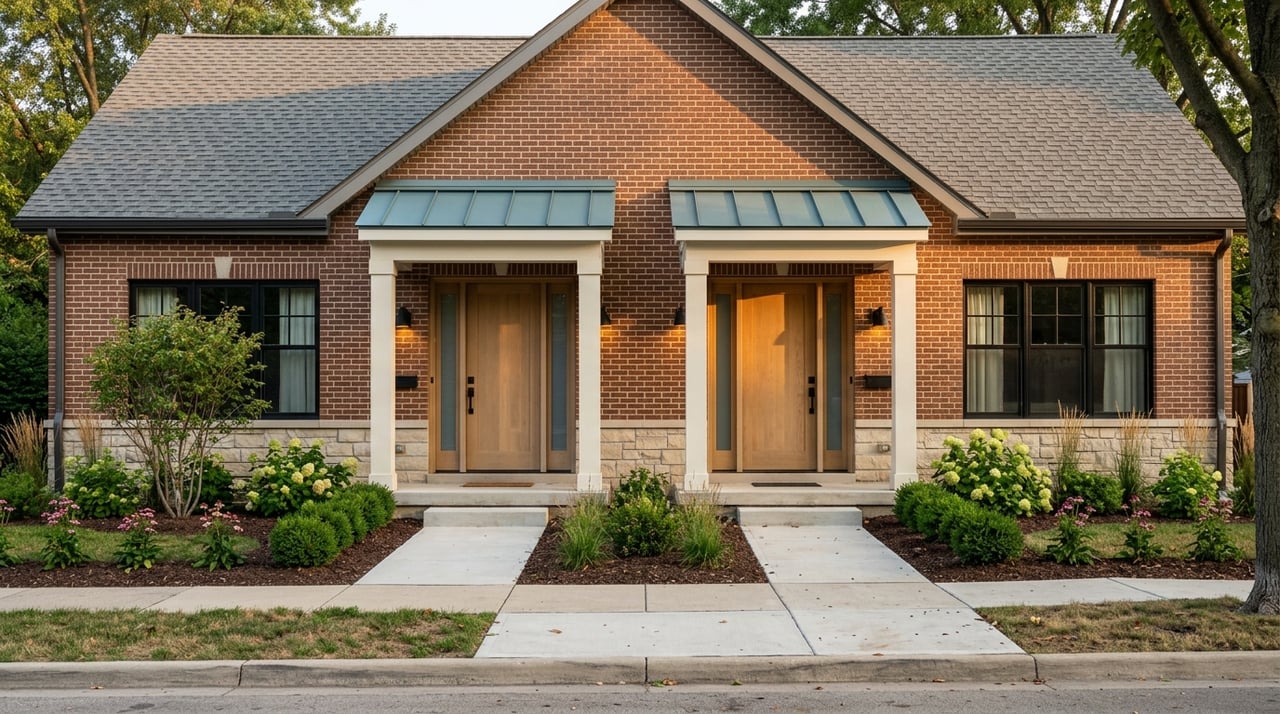
The research supports that clearly. A Lenexa half-duplex on Zillow shows a Zestimate of $247,800 and a Rent Zestimate of $1,902, while another half-duplex listing referenced in the report showed a $350,000 list price and a $2,170 rent estimate. A Redfin listing for a full duplex package was priced at $375,000, which is a very different entry point than the city’s detached-home median.
Lenexa also has a housing stock mix that limits the number of true small multifamily comps. The City’s Vision 2040 plan describes the housing inventory as mostly single-unit detached homes, with a smaller share of attached homes and 2-to-4-unit properties.
That means if you are evaluating a duplex or other attached product, you may need to search harder for comparable rents and comparable sales. It also means small multifamily opportunities can be more niche than they appear at first glance.
Read the Renovation Profile Before the Pro Forma
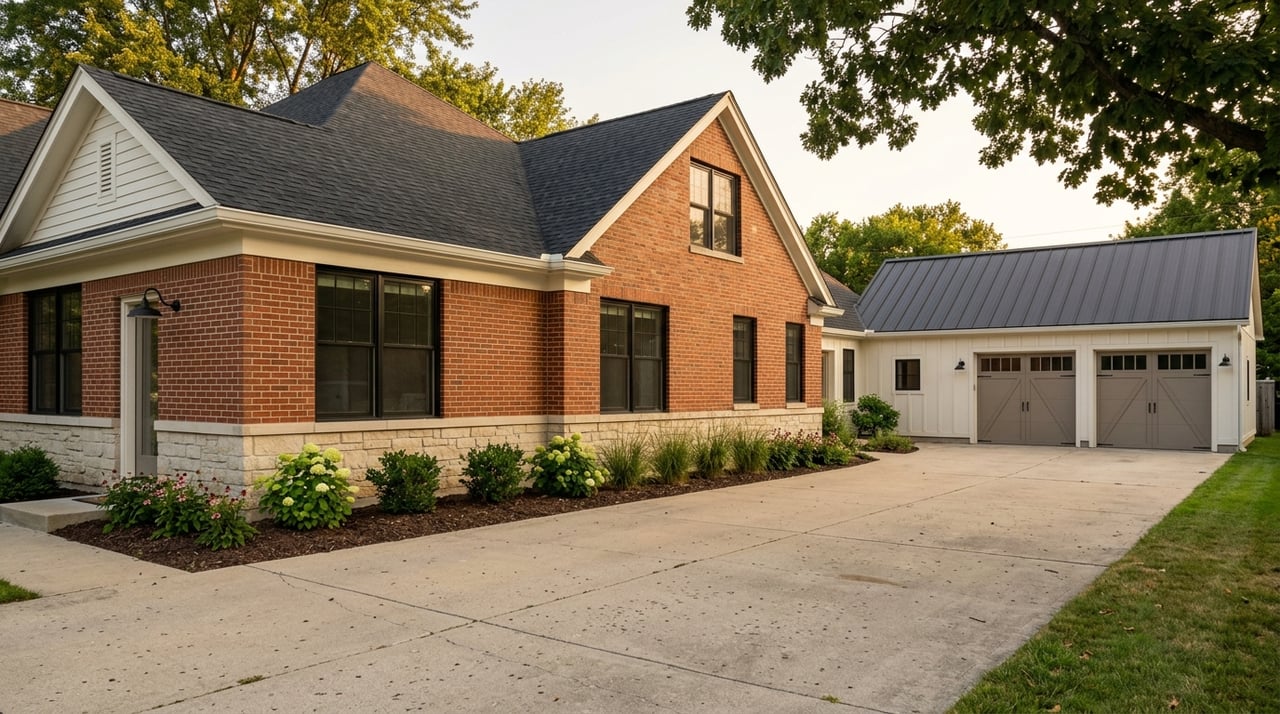
A rental can look promising on paper and still become expensive fast if the condition story is wrong. In Lenexa, age and renovation profile matter because the local housing stock is generally more modern than in many older Midwestern markets.
The Johnson County Housing Study says only 9% of Lenexa housing units were built before 1969, while about 83% were built between 1970 and 2009. That suggests many properties may need cosmetic updating, light system refreshes, and curb appeal improvements more often than full gut renovations.
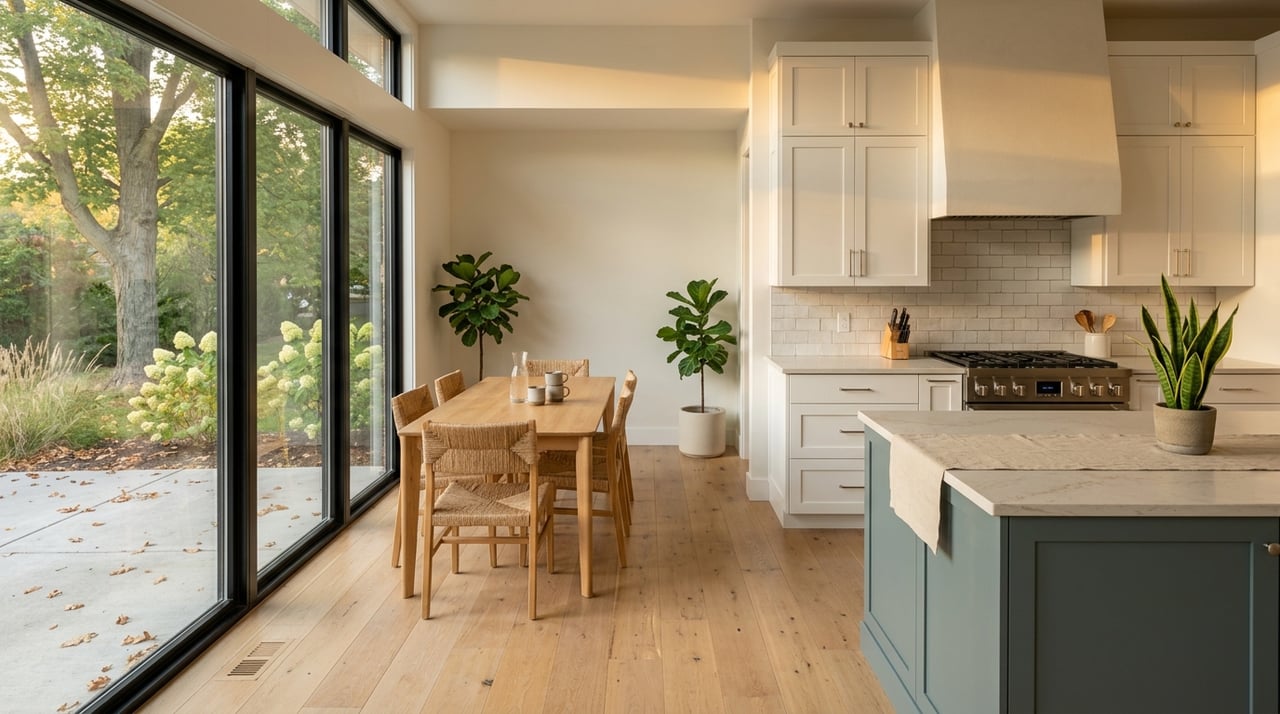
That is useful if your strategy is value-add. You may find opportunities where new flooring, paint, fixtures, exterior cleanup, or kitchen and bath updates improve rentability without the cost and risk of major reconstruction.
At the same time, you should still watch for older inventory. Lenexa’s Exterior Grant Program for 2026 applies to homes built in or before 1977 and appraised at or below $366,000, which is a reminder that older and lower-value properties still exist in the market.
Focus on Condition Items That Affect Risk
When you evaluate a Lenexa rental, not every repair item carries the same weight. Some issues are cosmetic. Others affect safety, compliance, and near-term operating risk.
The city’s rental property inspection checklist highlights practical items like siding and exterior walls, roofs, drains and gutters, stairs, decks, porches, balconies, foundations, insect screens, smoke detectors, and fire extinguishers. Exterior inspections are meant to identify health and safety hazards and blighting conditions, while interior inspections are generally tied to tenant-requested life, health, and safety concerns.
For an investor, this creates a clear priority list. Before you get excited about cosmetic upside, make sure you understand the condition of the roof, drainage, siding, railings, exterior steps, and foundation moisture issues.
In many Lenexa rentals, the first dollars should go to items that protect safety, licensing, and durability. That is often what separates a stable hold from a property that eats through cash reserves.
Underwrite Compliance Costs Up Front
Some investors underestimate the cost of simply operating a rental legally and smoothly. In Lenexa, licensing and compliance should be part of your first-pass underwriting, not an afterthought.
The City of Lenexa requires a rental property license before occupancy, annual renewal, and an exterior inspection every other year. The city says applications should be submitted at least 30 business days before the property is rented, and fees start at $75 per property. If you are an out-of-state owner without an in-state manager, you must designate a Johnson County agent.
Those costs may not seem large on their own, but they matter when you are evaluating thin margins. They also add one more reason to budget conservatively, especially if you are buying from out of area.
Budget for the Real Operating Expenses
A listing may show the mortgage payment and potential rent, but that is not true underwriting. Your actual operating picture should include every recurring cost tied to the property.
At a minimum, your Lenexa rental analysis should include:
- Property taxes
- Insurance
- Vacancy and turnover allowance
- Repairs and maintenance
- Capital reserves
- HOA dues, if applicable
- Property management
- Owner-paid utilities
- Licensing and inspection costs
Fannie Mae’s multifamily expense guidance supports this type of full operating budget, calling out items like insurance, utilities, repairs and maintenance, advertising, professional fees, administrative costs, and replacement reserves.
Kansas law also supports a more cautious approach. Under Kansas landlord duties, landlords must maintain common areas and key building systems, including electrical, plumbing, sanitary, heating, ventilating, and air-conditioning systems, while also supplying running water and reasonable heat.
That means your numbers should reflect the reality of ownership. If the furnace is aging, the plumbing is dated, or the roof is near the end of its life, your reserves need to account for that.
Don’t Gloss Over Property Taxes
Property taxes can change the entire deal. In Lenexa, you should never estimate taxes using only a quick city rate and assume the math is close enough.
The city’s 2026 budget announcement estimates a city property tax rate of 26.209 mills, and the city notes that a full tax bill also includes county, community college, parks and library, and school district levies. Kansas Department of Revenue guidance in the research report also notes that residential property is assessed at 11.5% of appraised value.
The practical takeaway is simple: underwrite from the actual tax bill and exact tax district whenever possible. A small error in your tax estimate can distort your projected cash flow more than you might expect.
Watch for HOA Costs on Attached Product
Attached homes, townhomes, condos, and duplex-style properties can look attractive because the purchase price may be lower than a detached house. But that lower entry point does not always mean a better return.
Some attached properties carry HOA dues that materially affect monthly performance. The research report cites a Lenexa property on Redfin with a $130 monthly HOA that covered items like roof repair and replacement, gutters, exterior paint, snow removal, trash and recycling, and common-area maintenance.
That can be helpful from a maintenance standpoint, but it still changes your math. You need to know what the HOA covers, what it does not cover, and whether those dues reduce your margin too much.
Build a Better Lenexa Underwriting File
A strong underwriting file helps you compare opportunities clearly and avoid emotional decisions. In Lenexa, that file should be detailed enough to reflect the city’s pricing, property types, and operating requirements.
Your file should include:
- Purchase price
- Realistic rent comp matched by property type and bedroom count
- Actual tax bill
- Insurance quote
- HOA dues, if any
- Vacancy assumption
- Maintenance and capital reserve estimate
- Utility responsibility
- Rental license fee
- Inspection findings
- Local manager or agent requirement, if needed
This approach is especially important in a market like Lenexa, where average values are relatively high and rent data varies by asset type. A deal usually works because the basis is favorable, the rent profile is strong for that specific property type, or the property has a clear path to improved performance through smart updates.
The Bottom Line on Lenexa Rentals
Lenexa can offer solid long-term rental opportunities, but it is not a market where every property cash flows well just because demand exists. With home values in the high-$400,000s and rent levels that vary widely by property type, disciplined underwriting matters.
If you evaluate rentals through the lens of condition, compliance, taxes, HOA exposure, and realistic rent comps, you will make much better decisions. That is also where local guidance can make a real difference, especially when you want a second set of eyes on renovation risk, hidden costs, and resale potential.
If you want help reviewing a Lenexa investment opportunity with a practical, home-level perspective, connect with Angela Zysk. She can help you look beyond the listing and evaluate whether a property truly fits your long-term goals.
FAQs
What rent numbers should you use when evaluating a Lenexa rental property?
- Use rent comps that match the property type, bedroom count, condition, parking, HOA structure, and submarket as closely as possible. Citywide averages can be helpful for screening, but they are not enough for final underwriting.
What costs should you include in a Lenexa rental property analysis?
- Include property taxes, insurance, vacancy, repairs, maintenance, reserves, HOA dues, property management, owner-paid utilities, and local licensing or inspection costs.
What does Lenexa require before you rent out a property?
- Lenexa requires a rental license before occupancy, annual renewal, and an exterior inspection every other year. The city also requires advance application timing, and some out-of-state owners must designate a Johnson County agent.
What repair items matter most for Lenexa rental properties?
- The most important early review items are usually roof condition, drainage, siding, stairs and railings, foundation issues, and life-safety items like smoke detectors and fire extinguishers.
What should you know about HOA fees on Lenexa attached properties?
- HOA dues can significantly affect monthly cash flow. You should confirm the amount, what services are covered, and whether the dues still leave enough room for the property to perform as a rental.
What does Kansas law say about security deposits for rental properties?
- Kansas law limits security deposits to two months’ rent, requires them to be held in a separate insured account, and sets deadlines for returning the balance and providing itemized notice if deductions are made.